Image


This pilot project aims to make HIV medication more easily available to a wide range of Southeast London communities in various locations, such as GP surgeries, in Women's Health Hubs and by ordering online.
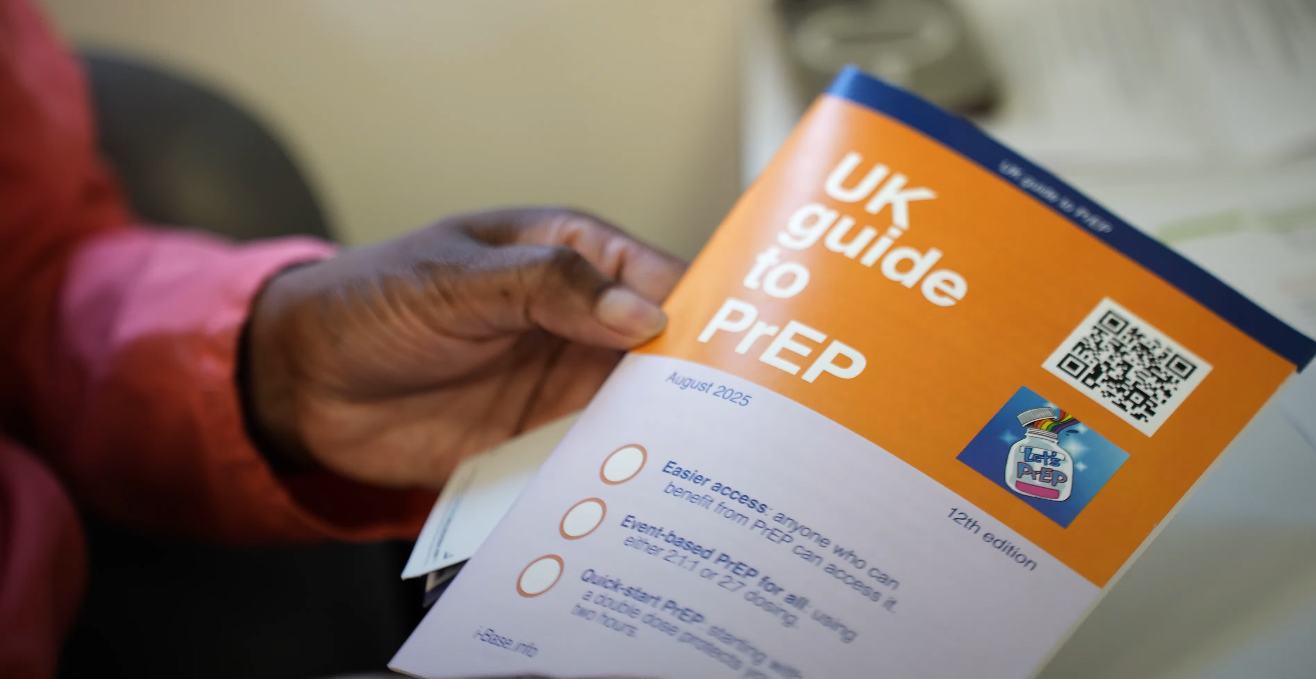
PrEP is medication that protects against HIV even if you don’t use condoms. It stands for ‘Pre Exposure Prophylaxis’.
Most people who take oral PrEP use a single pill that contains two drugs:
It can be taken daily or just when you will be having sex.
For people who might have, or be at risk of kidney problems, they make take a slightly different pill containing tenofovir AF and emtricitabine.
Both pills are taken in the same way, with the same instructions.
Injectable PrEP is also an option if you are not able to easily use pills.
Please talk to your doctor about different ways to use PrEP.
PrEP is free in local sexual health clinics and through the online digital service; it is also available in some GP surgeries across South East London.
Before you start PrEP, you just need a HIV and kidney test. All testing and monitoring is free.
Online |
Residents of Lambeth and Southwark can access PrEP online, including testing before starting and during follow-up care. |
GP/Doctor surgeries |
South East London residents can access PrEP at any of the following GP practices:
Note: These links are for contact details for each surgery. |
Sexual Health Clinics |
You can access PrEP at any sexual health clinic in South East London. |

This is an awareness video with residents and community workers.
Watch videoAdult PrEP works whatever your age, gender or sexuality.

PrEP can be used for any job linked to the sex industry. Even if you look after your sexual health, your clients might not.
PrEP will protect against HIV if you are under pressure to not use condoms.
Specialised services that are free from stigma and judgement are available and recommended.
See more: Ugly Mugs - a national organisation that provides greater access to justice and protection for sex workers.
National Ugly Mugs (NUM) is a UK-wide charity working with sex workers to do research, design and deliver safety tools and to provide support services to people in adult industries.

Using PrEP just needs a few tests:

Oral PrEP has two options.
Daily dosing – although this involves taking one pill every day, even if you take at least four pills a week this will still provide high levels of protection.
On-demand dosing involves only taking PrEP when you might have sex. This uses either 2:7 or 2:1:1 dosing.

Everyone should start oral PrEP (either TDF/FTC or TAF/FTC) by taking TWO pills between 2 and 24 hours BEFORE sex (or before any possible exposure to HIV). Then, continue to take ONE pill every day until stopping PrEP (see below).
How to safely stop PrEP, depends on the type of sex you are having:

Getting PrEP through GP practices in South East London.
Watch videoVisit the i-Base website for easy to read guides to HIV treatment, and sexual transmission and testing of HIV. Base is a HIV treatment activist organisation).
Visit the Sophia Forum website for women (including cis and trans women) that hosts information to help you to decide whether it might be an appropriate choice for you.
The videos and images were produced by The Youth Involvement and Engagement Lab, Lewisham. The organisation works with stakeholders across the health system to centre young people and adults, promote better health outcomes and further health equity.
Page created:
Last updated: